By the Fern Cloud Path Team · Published 2026 · 5 min read
Start With the Ten Essentials, Then Adjust
Every good day-hike kit starts from the same base: navigation, sun protection, insulation, a headlamp, first-aid supplies, a fire starter, a repair kit, extra food, extra water, and emergency shelter. From there, what you actually carry should flex with the season, the elevation gain, and how far you are from the trailhead.
In the Pacific Northwest, weather can shift quickly even on a clear-forecast morning. We treat a packable rain shell as a non-negotiable, even on blue-sky days in July.
Footwear and Trekking Poles
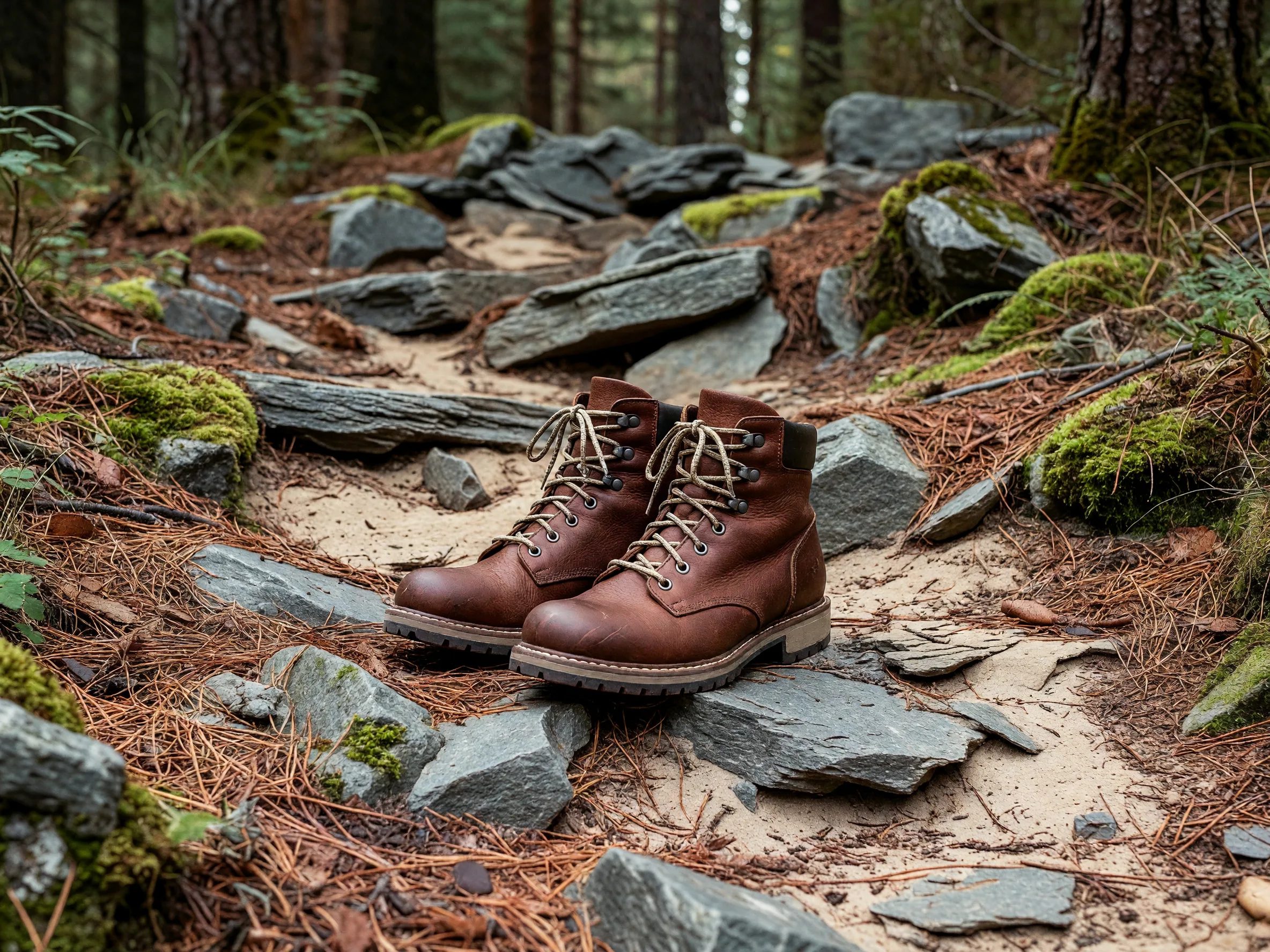
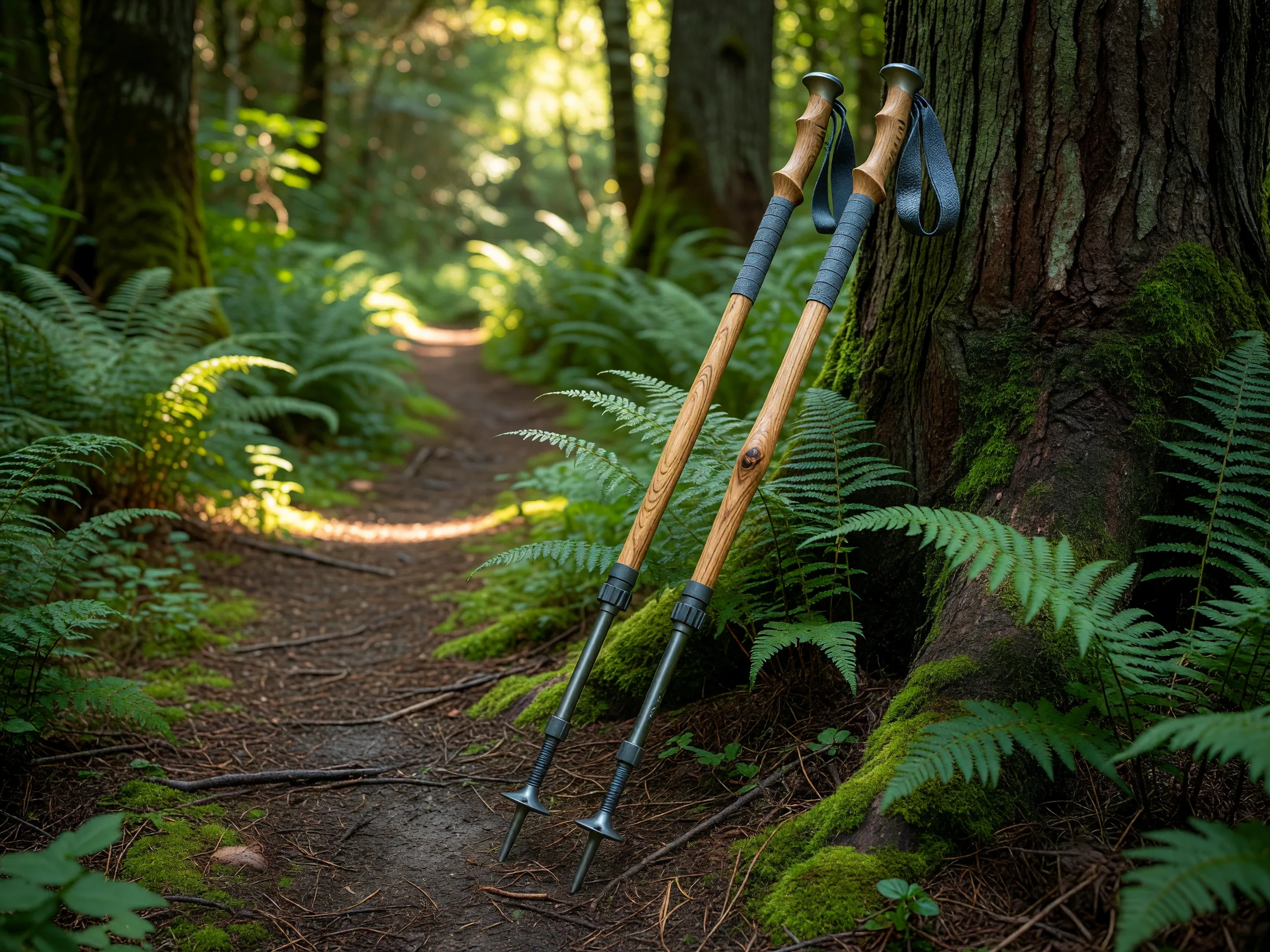
Wet roots, loose scree, and stream crossings are common on PNW trails. A supportive boot with good traction, paired with a set of adjustable trekking poles, takes real pressure off your knees on long descents.
Water and Navigation
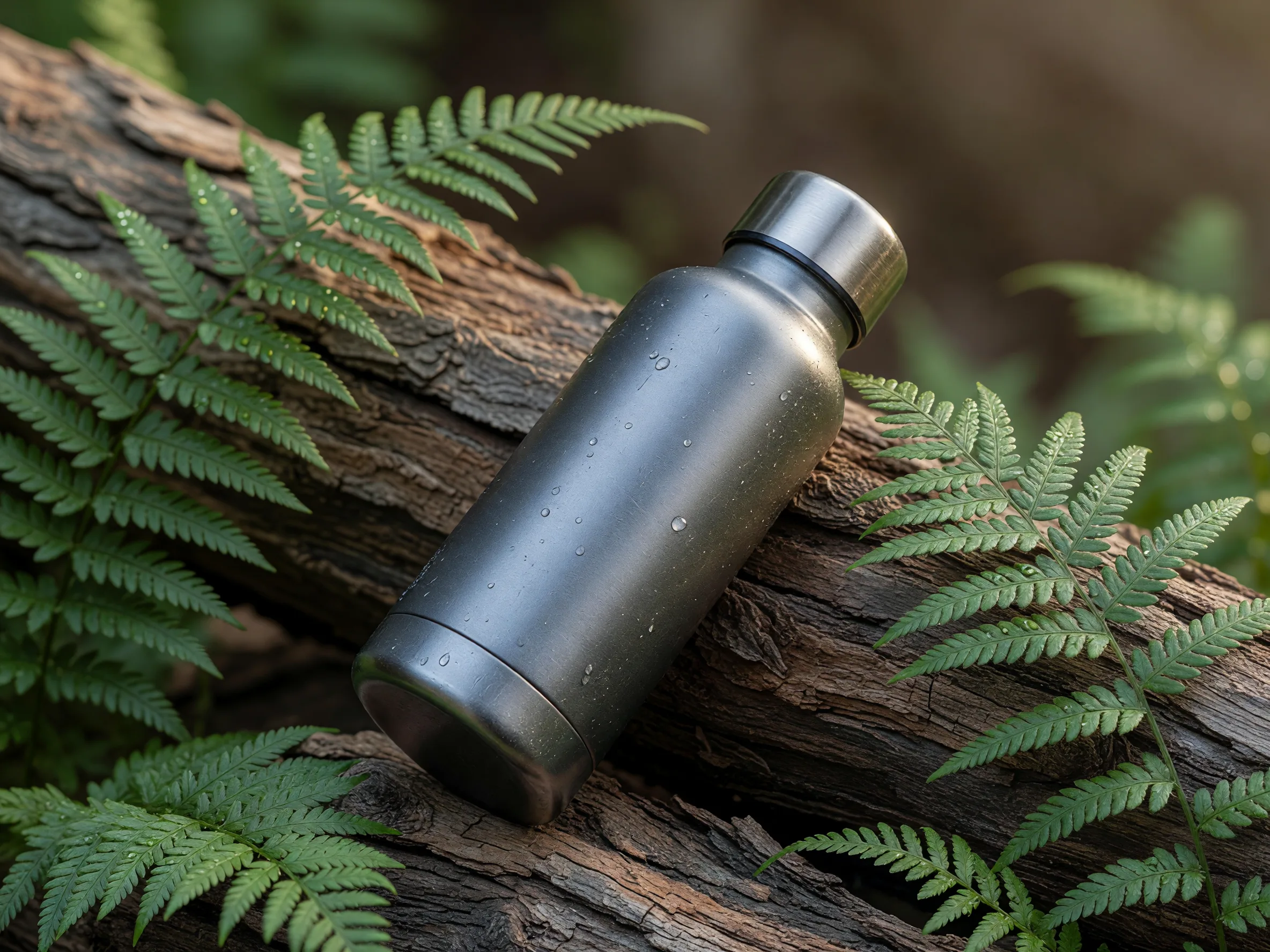
Cell service disappears quickly once you drop into forest cover, so we always carry a physical map and compass as a backup to a phone app. An insulated bottle also means your water stays cool even hours into a warm afternoon.
A Simple Packing Checklist
- Supportive hiking boots, broken in well before trip day
- Trekking poles for steep or uneven terrain
- Packable rain shell, regardless of the forecast
- Insulated water bottle plus a backup water treatment option
- Physical map and compass, even if you also carry a GPS app
- Layers you can add or remove as elevation changes
None of this needs to be expensive or complicated. Start with a few well-chosen pieces, use them on shorter trails first, and build out your kit as you learn what your own hikes actually demand.